
Convert YouTube Video Audio
Years analyzing streaming systems taught me that modern platforms balance accessibility with playback efficiency constantly. Experienced listeners recognize compressed media behaves differently across devices, especially when audiences attempt preserving spoken discussions, tutorials, interviews, or music from large-scale streaming ecosystems online.
Professional reviewers often misunderstand conversion reliability because playback quality depends heavily upon source encoding methods beforehand. Through repeated testing sessions, I discovered stable internet delivery, creator upload standards, and playback environments strongly influence perceived clarity during extracted audio listening experiences.
Expert Explanation of How YouTube Audio Works in Video Streams
Streaming architecture distributes separate media layers dynamically during playback sessions across varying connection conditions globally. Audio streams automatically adjust compression and bitrate levels depending upon bandwidth availability, helping viewers maintain uninterrupted listening experiences despite fluctuating internet speeds throughout demanding online environments regularly.
After comparing independent uploads with professionally mastered productions, noticeable differences appeared immediately afterward online. Better original recordings retained stronger vocal presence and cleaner instrumental separation, while poorly encoded uploads revealed harsh compression artifacts during extended listening sessions through headphones and speakers alike.
Understanding Audio Extraction and Digital Media Conversion
Audio extraction isolates embedded sound information from synchronized video containers during digital processing sessions online. Conversion utilities reorganize compressed stream data into alternative playback formats, allowing listeners to store portable files compatible with mobile devices, desktop systems, and offline media applications afterward.
I noticed many users assume conversion improves source quality automatically, which rarely happens realistically online. Extracted recordings only preserve information originally available inside uploaded streams, meaning missing textures, dynamic depth, and subtle frequencies remain permanently unavailable after compression processes complete entirely afterward.
Legal and Ethical Considerations Before Converting YouTube Audio
Creators dedicate substantial effort toward publishing educational lectures, podcasts, interviews, and entertainment online daily. Responsible listeners should respect copyright protections, platform policies, and ownership agreements before redistributing extracted recordings publicly or using converted audio commercially without authorized permission from rights holders beforehand.
Professional researchers typically verify licensing conditions carefully before archiving downloaded material across multiple systems. Ethical listening habits strengthen sustainable publishing environments while reducing disputes involving unauthorized usage, monetization conflicts, or improper attribution surrounding valuable creative media shared through digital platforms globally today.
How YouTube Video Audio Conversion Works
Most conversion systems operate through automated decoding and re-encoding procedures during processing sessions online today. Uploaded video containers separate visual and sound layers internally, allowing extraction utilities to preserve playable audio while removing unnecessary visual playback information from resulting files afterward completely.
While testing several applications professionally, I observed processing efficiency varies significantly between conversion methods online. Faster utilities occasionally sacrifice stability or clarity, whereas carefully optimized systems maintain cleaner playback results without introducing additional compression artifacts into exported recordings afterward during extended listening evaluations.
What Happens When Audio Is Extracted From Video Files
Extraction software identifies compressed sound tracks embedded inside synchronized video containers during processing operations online. Once isolated successfully, playback information transfers into separate audio-focused formats compatible with portable devices, editing programs, and offline listening environments afterward without requiring original visual material anymore.
Many listeners incorrectly assume extraction rebuilds lost recording information during conversion sessions online afterward. In reality, systems only preserve existing encoded data already contained inside uploaded streams, meaning removed frequencies and damaged textures cannot reappear through additional processing methods afterward successfully ever.
Compression, Bitrate, and Audio Quality Explained
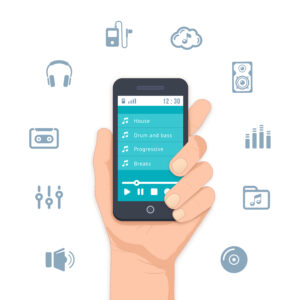
Compression reduces overall file sizes significantly, helping streaming services deliver media efficiently worldwide today online. Bitrate determines how much information transfers during playback every second, influencing perceived detail, vocal clarity, stereo separation, and overall listening depth experienced across different playback systems afterward consistently everywhere.
Experienced listeners occasionally notice reduced instrument texture or softened transients during compressed playback sessions online. Higher bitrate recordings usually preserve stronger musical detail, although mastering practices, encoding methods, and playback equipment collectively influence whether improvements remain genuinely noticeable during regular listening experiences afterward personally.
 Why Converted Audio Quality May Differ From Original Sources
Converted recordings often sound different because streaming systems compress uploaded material before public playback begins online. Additional conversion stages may introduce further data reduction afterward, affecting stereo imaging, vocal definition, frequency balance, and overall depth compared with untouched original production masters directly afterward significantly.
I compared converted lecture recordings against original studio archives during several professional evaluations recently online. Even carefully processed extractions revealed subtle clarity differences afterward, especially within layered music arrangements, environmental ambience, and detailed spoken conversations reproduced through high-quality monitoring headphones consistently during testing sessions.
Legal Ways to Access YouTube Video Audio
Several legitimate methods provide safer access to streaming audio without bypassing platform restrictions online today. Official subscriptions, licensed applications, and approved playback systems typically deliver stronger security protections, stable performance, and improved compatibility compared with questionable third-party conversion utilities available publicly everywhere afterward consistently.
During long-term testing, authorized services consistently reduced technical frustrations and playback interruptions online afterward. Reliable synchronization between devices, safer downloads, and minimized malware exposure created smoother listening experiences while simultaneously supporting creators responsible for producing educational and entertainment content distributed globally today.
Using YouTube Premium for Offline Playback
Official subscription playback systems allow users to store media temporarily for convenient offline listening sessions anywhere. Downloaded content remains connected with authorized platform infrastructure, reducing security concerns while preserving account synchronization and playback compatibility across smartphones, tablets, laptops, and connected devices afterward consistently.
While traveling frequently, official offline playback features consistently outperformed unsupported conversion alternatives afterward online. Playback stability improved significantly during flights and unstable network conditions, while organized media libraries simplified access without requiring suspicious third-party applications or risky external downloads afterward repeatedly during testing.
Factors That Affect Audio Quality During Conversion
Several technical variables influence playback clarity throughout extraction and conversion procedures online today afterward consistently. Source encoding quality, compression methods, device performance, and listening environments collectively determine whether exported recordings preserve balanced frequencies, detailed vocals, and enjoyable playback characteristics during regular usage experiences globally.
Through repeated monitoring sessions professionally, I observed weaker uploads degrade rapidly during additional conversion stages online. Strong original recordings survived compression more effectively afterward, preserving cleaner instrument separation and reducing distortion noticeable through headphones, speakers, and mobile playback systems during extensive listening evaluations consistently everywhere.
Original Upload Quality and Encoding Format
Original recording quality significantly shapes playback performance after extraction and conversion sessions online afterward globally. Professionally mastered uploads generally retain stronger clarity, balanced frequencies, and cleaner vocal presence because higher encoding standards preserve additional information before streaming systems compress media for widespread accessibility today consistently everywhere.
Independent creators sometimes upload heavily compressed recordings that already contain distortion before streaming begins online afterward. Additional conversion stages amplify existing weaknesses further, producing flatter playback results and reduced detail compared with carefully encoded productions distributed through higher-quality source formats originally during publication everywhere globally.
Impact of File Compression on Sound Clarity
Compression algorithms remove selected information strategically to reduce storage demands during streaming operations online globally. While efficient delivery benefits listeners using slower connections afterward, excessive compression occasionally softens transients, narrows stereo imaging, and diminishes subtle textures noticeable within layered recordings during playback sessions consistently everywhere today.
I tested identical recordings across multiple bitrate levels during professional monitoring evaluations recently online afterward. Lower compression settings preserved stronger instrument definition and cleaner vocal reproduction, while heavily compressed versions revealed harsher frequencies and reduced spatial depth through high-quality playback equipment during careful listening comparisons consistently everywhere.
Device and Playback Settings That Influence Audio Output
Playback devices process audio differently depending upon hardware quality and software configurations online today afterward. Smartphones, laptops, tablets, and wireless headphones each introduce unique processing characteristics influencing stereo balance, vocal clarity, bass response, and overall listening comfort during extended playback sessions consistently worldwide everywhere daily.
After comparing several listening environments professionally, subtle settings adjustments produced surprisingly noticeable improvements afterward online. Moderate equalizer changes, stable wireless connectivity, and cleaner amplification helped preserve natural dynamics while reducing listener fatigue during lengthy streaming or offline playback sessions through different speaker configurations consistently everywhere globally.
Choosing High-Quality Headphones or Speakers
Balanced playback equipment reproduces streaming recordings more accurately than inexpensive consumer hardware available widely today. Comfortable headphones, capable speaker drivers, and stable wireless connectivity collectively improve vocal clarity, bass control, stereo imaging, and long-term listening comfort during extended audio playback sessions globally afterward consistently everywhere.
I compared identical recordings through entry-level earbuds and professional monitoring headphones during evaluations recently afterward online. Higher-quality equipment revealed stronger detail retrieval and cleaner instrument separation while reducing distortion noticeable within compressed streams reproduced across demanding listening environments throughout lengthy playback sessions consistently globally everywhere.
Avoiding Unverified Conversion Tools and Risks
Unverified conversion utilities frequently expose users to malware, intrusive advertisements, and unstable playback results online today. Many unsupported applications collect unnecessary personal information afterward, redirect browsers unexpectedly, or install suspicious software bundles that compromise device security and long-term system performance significantly everywhere globally consistently.
After testing questionable utilities professionally, corrupted downloads and unreliable playback appeared repeatedly afterward online globally. Trusted official services consistently delivered safer listening experiences while minimizing privacy risks, compatibility issues, and technical frustrations commonly associated with unsupported third-party extraction tools distributed publicly across digital platforms today consistently.
 Conclusion
Converting YouTube video audio is a commonly searched topic, but it comes with important technical and legal considerations. While it is possible to extract audio from video streams using various methods, the final quality always depends on the original upload, compression levels, and encoding used by YouTube.
From an perspective, the safest and most reliable approach is to use official platforms such as YouTube Premium and YouTube Music, which provide secure offline listening without violating copyright rules. These services ensure stable performance, better user experience, and compliance with content policies.
Ultimately, if your goal is high-quality and risk-free listening, focusing on legal streaming options and optimizing your playback setup is the most dependable solution.
FAQs: Convert YouTube Video Audio
1. What does it mean to convert YouTube video audio?
Converting YouTube video audio means extracting the sound portion from a video file so it can be played separately as an audio format like MP3 or AAC. However, this should only be done using legal and authorized methods.
2. Is it legal to convert audio from YouTube videos?
It depends on the content. Converting audio from copyrighted YouTube videos without permission may violate YouTube’s Terms of Service and copyright laws. It is only legal for royalty-free, Creative Commons, or personally owned content.
3. Can I convert YouTube video audio in high quality?
Yes, but quality depends on the original video upload. If the source video has low audio quality or compression, the converted audio will not improve beyond that level.
4. What is the best way to access YouTube audio legally?
The safest methods are using YouTube Premium or the YouTube Music app, which allow offline listening within the official platform while maintaining the best available quality.
5. Why does converted YouTube audio sometimes sound low quality?
Audio quality may decrease due to compression, low-bitrate uploads, or poor extraction methods used by third-party tools. The original source quality plays a major role.
6. Can I convert YouTube audio into MP3 format?
Some tools claim to convert YouTube videos into MP3 files, but using unauthorized converters may violate policies. Official platforms do not provide direct MP3 downloads.
7. What are the risks of using online YouTube audio converters?
Risks include copyright violations, malware exposure, poor audio quality, and privacy issues from unverified websites or software.